


Expert-Led
Learn from practitioners who are building and shipping real AI systems.
Practical education for what's next in AI.
RAG Pack helps engineers and technical teams learn, build, and stay ahead in the rapidly evolving world of AI, through in-depth courses, free masterclasses, and expert-led training.
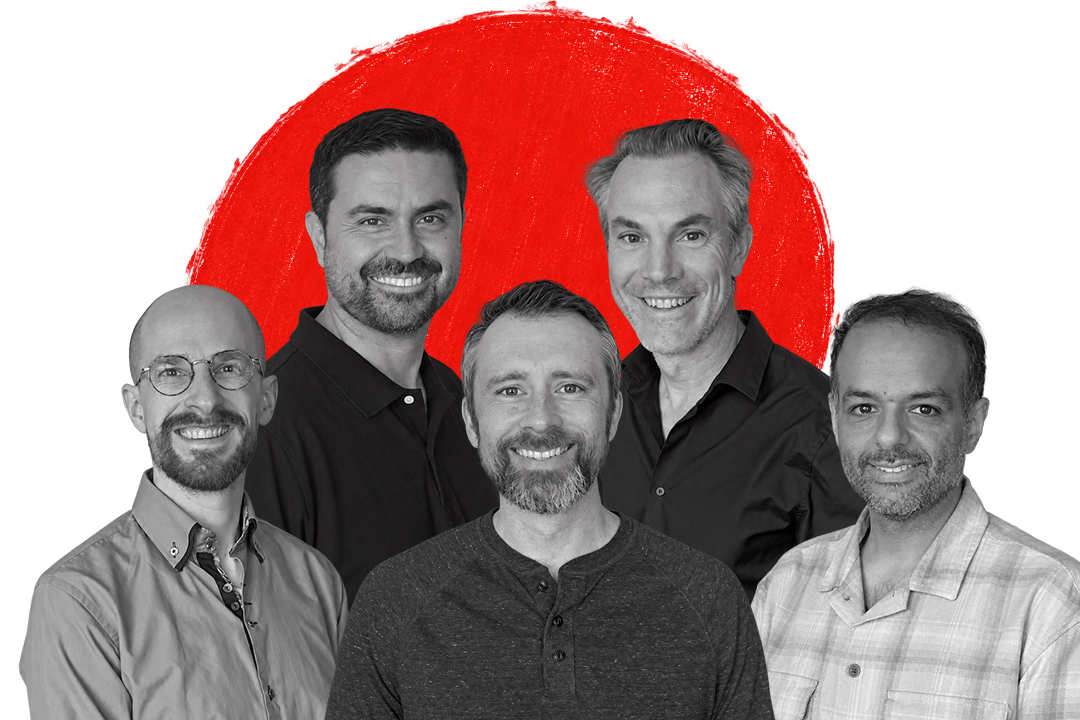
Learn from practitioners who are building and shipping real AI systems.

Go beyond theory with practical, project-based learning.

Join a community of curious, rigorous, and generous builders.

Get the mental models and skills to navigate a fast-moving field.
Five independent AI educators. United by a shared belief: better builders make a brighter AI future. We teach, write, and build — together.

ML Researcher and Writer.
Author of The Illustrated Guide
to Transformers.

Data Scientist and Author.
Creator of popular open source libraries BERTopic and KeyBERT.

AI Educator and Researcher.
Author of industry-leading tutorials on transformers, BERT, and NLP.

Creator of StatQuest
Author of The StatQuest
Illustrated Guide series.

Creator of Serrano Academy.
Author of Grokking
Machine Learning
In-depth, high-signal courses for engineers and technical practitioners.
Learn the theory and implementation of a complete agent, from reasoning LLMs through memory, tools, planning, and evaluation. Based on real-world systems and practical experience.
Learn MoreGo beyond the basics and learn how to train, fine-tune, and align LLMs using reinforcement learning. Build intuition, implement key algorithms, and apply them to real-world problems.
Learn MoreExplore timely AI topics in live sessions with the RAG Pack. Get clear explanations, practical ideas, and the chance to ask questions.
Explore Free MasterclassesJoin a focused session, build a stronger mental model, and get a feel for how the RAG Pack teaches.
Bring practical AI education to your team or event.

Bring RAG Pack to your team. Custom training, workshops, and enablement programs for forward-thinking organizations.
Contact Us
Engaging talks on AI, agents, RAG, and the future of machine learning. Available for conferences, company events, and more.
Contact Us
Be the first to know about new courses, free masterclasses, and get occasional tutorials and analysis from the RAG Pack team.

Get started today before this once in a lifetime opportunity expires.